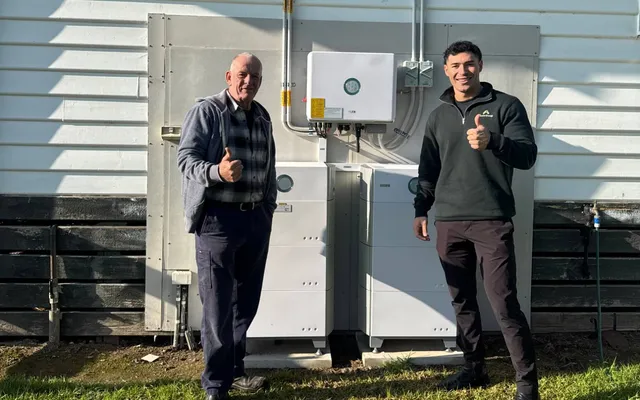


Heat pump hot water systems are one of the simplest ways to cut the energy your home uses on hot water. Here's how they work, how they cope with a Melbourne winter and what to think about before you buy one.
How a heat pump hot water system works
A heat pump works a bit like a fridge running in reverse. Instead of pulling heat out of a box to keep food cold, it pulls heat out of the surrounding air and puts it into your water.
In simple terms:
- A fan draws outside air across a coil filled with refrigerant.
- The refrigerant absorbs heat from that air, even when it feels cool outside.
- A compressor squeezes the refrigerant, which raises its temperature further.
- That heat is passed into the water in the tank, and the cycle repeats.
The key point is that the electricity is mostly used to move heat, not to create it. That's why heat pumps are so efficient.
Heat pump vs electric and gas storage hot water
A traditional electric storage system heats water with an element, a bit like a giant kettle. One unit of electricity gives you roughly one unit of heat.
A heat pump typically moves around three to four units of heat for every unit of electricity it uses. That's where the "up to 300% efficient" claim comes from. In practical terms, it uses a fraction of the electricity of an old element system to heat the same amount of water.
Gas storage systems burn gas to heat the water and lose some heat through the flue. They also tie you to a gas connection and its daily supply charge. If you're working towards an all-electric home, swapping gas hot water for a heat pump is often one of the first steps, alongside replacing gas heating. Our post on switching from gas ducted heating covers the heating side.
Running your heat pump on solar with a timer
If you have solar panels, a heat pump is a great way to use your own power. Hot water is really just stored energy. Heat the tank while the sun is shining and you've banked that energy for showers that night and the next morning.
Most heat pumps can be set to run on a timer. A common approach is to run it in the middle of the day, when your panels are producing the most. There's a second benefit: the air is warmer in the afternoon, so the heat pump works more efficiently than it would on a cold early morning.
If you're on a time-of-use tariff without solar, you can set the timer to run in cheaper off-peak periods instead. Either way, it's worth getting the timer set up properly at install rather than leaving it on the factory default. If you're weighing up solar at the same time, our guide on how much solar you need is a good next read.
How heat pumps perform in a Melbourne winter
This is a fair question, given how cold Melbourne mornings can get. Modern heat pumps are designed to keep working in cold weather and still deliver hot water when it's chilly outside.
Efficiency does drop as the air gets colder, because there's less heat to pull from it, and the unit may take longer to bring the tank up to temperature. That's normal. Running the heat pump during the warmer part of the day helps. So does choosing a tank size with a comfortable buffer, so you're not relying on a quick top-up at dawn, and placing the unit somewhere with decent airflow rather than boxed into a cold, cramped corner.
Plenty of Melbourne households use heat pumps through winter without fuss. Sizing and setup matter more than the model badge.
Noise and placement
A heat pump has a fan and a compressor, so it makes some noise while it runs. It's broadly similar to the outdoor unit of a split system air conditioner. Most people don't notice it in day-to-day life, but placement is worth a bit of thought.
Try to avoid putting it right outside a bedroom window, or close to a neighbour's bedroom or living area. Running it during the day, especially on solar, also means it's quiet at night when people are sleeping.
The unit needs good airflow around it and space for servicing. It also produces some condensation water, which needs to drain away properly. We'll suggest the best spot when we do your home check, often close to the old system so plumbing runs stay short.
What size heat pump tank does your household need?
Tank size depends on how many people live in the home and how much hot water you use. As a rough, commonly used guide:
- One to two people: a smaller tank, roughly 150 to 200 litres.
- Three to four people: around 250 to 270 litres.
- Five or more people: around 300 litres or more.
These are starting points, not rules. Long showers, teenagers, a big bath or a growing family can all push you up a size. If you plan to heat the tank mostly during the day on solar, a slightly larger tank gives you more stored hot water for the evening and morning. We'll talk through your habits and recommend a size that fits.
Rebates for heat pump hot water in Victoria
Heat pump hot water systems may be eligible for support through Solar Victoria rebates, the Victorian Energy Upgrades program and the federal Small-scale Renewable Energy Scheme, which works through STCs. These programs can reduce the upfront cost significantly.
Amounts and eligibility change regularly and depend on your home and what you're replacing. Use our rebate checker for a current picture, or ask us and we'll include what applies in your quote.
Common questions
How long does it take to install a heat pump hot water system?
A straightforward swap is often done within a day. It can take longer if the unit is going in a new spot or extra plumbing or electrical work is needed.
Will I run out of hot water with a heat pump?
Not if the tank is sized well for your household and the timer is set sensibly. If you regularly run short, it usually points to a tank that's too small or a timer that needs adjusting.
Which heat pump brand do you install?
We install Emerald heat pump hot water systems. You can read more about them on our heat pumps page.
Talk to a local team
We're based in Clayton and install heat pump hot water systems across Melbourne and Victoria with our own licensed team. If your old system is getting tired, or you're ready to move off gas, get energy advice or give us a bell on 1300 289 803.