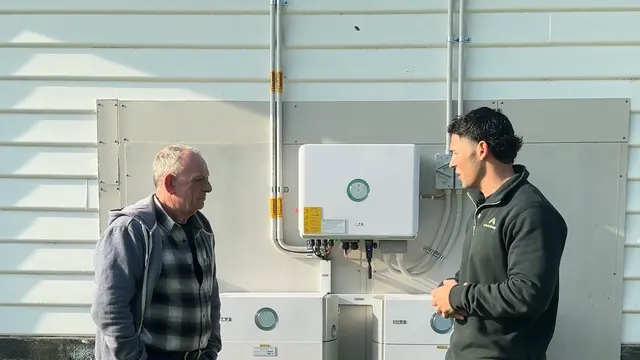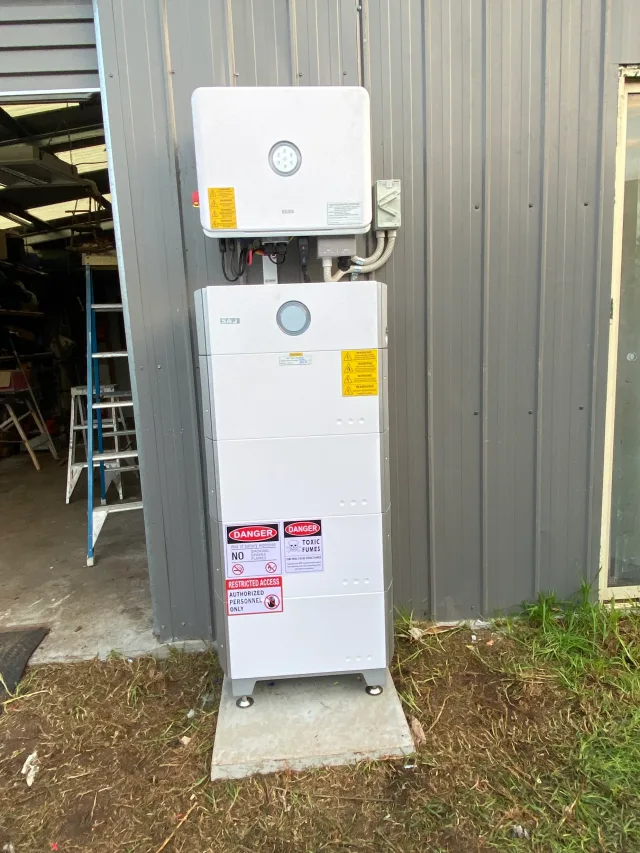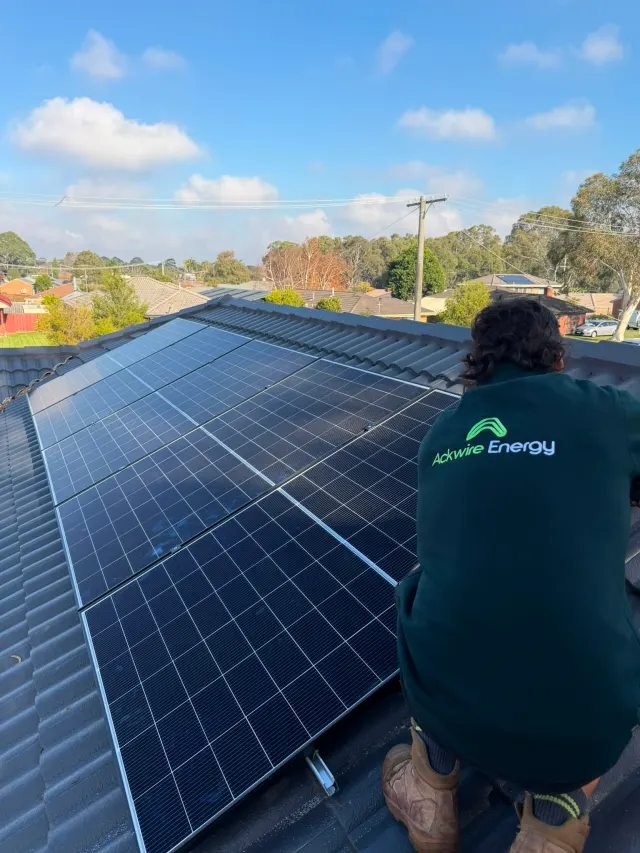

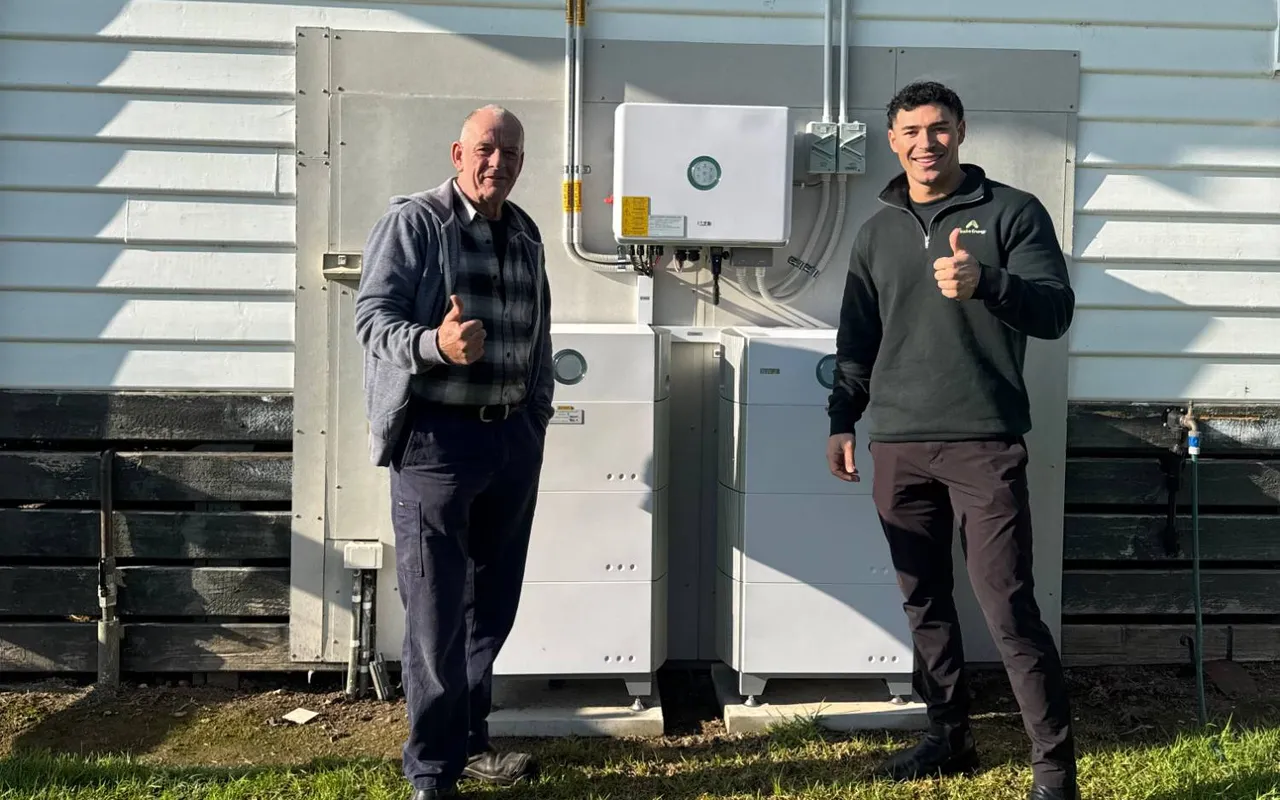
Already have solar and wondering about a battery? In most cases you can add one without starting from scratch. The right approach depends on your current inverter, the size and age of your system and what you want the battery to do.
Why add a battery to existing solar?
If you've had solar for a while, you've probably noticed your bills drop during the day but not so much at night. That's because most solar is exported to the grid while you're out, and feed-in tariffs in Victoria are now much lower than the price you pay to buy power back in the evening.
A battery lets you store that spare daytime solar and use it after dark. For many households with existing solar, it's the next logical step. If you're still deciding whether it's worth it at all, start with our guide to whether a home battery is worth it.
AC coupling vs DC coupling in plain English
There are two main ways to connect a battery to an existing solar system. The terms sound technical, but the idea is simple.
AC coupling: keep your current inverter
With AC coupling, your existing solar inverter stays in place. The battery is added with its own battery inverter, either built in or separate. Your panels keep feeding your house through the old inverter, and the battery charges from any excess power.
AC coupling is often the simplest option when your current inverter is in good shape and has plenty of life left. It doesn't disturb your existing solar setup, and it works with most brands of solar inverter.
DC coupling: a new hybrid inverter
With DC coupling, your old solar inverter is replaced with a hybrid inverter. A hybrid inverter manages both the solar panels and the battery in one unit. Solar energy can go into the battery more directly, with fewer conversion steps along the way.
This often makes sense if your existing inverter is getting old, is out of warranty, or is giving you trouble. You replace an ageing part and add storage at the same time. A hybrid inverter can also make it easier to set up backup power in some cases.
Which option suits your home?
There's no single right answer. As a rough guide, AC coupling tends to suit newer systems with a reliable inverter, while a hybrid inverter tends to suit older systems where the inverter is nearing the end of its life anyway. Other things that can tip the balance include whether you want backup during blackouts, whether you're planning to add more panels, and whether your home is single-phase or three-phase.
If backup is important, read will my battery work in a blackout before you decide, as the way the battery is connected affects whether solar can keep charging during an outage.
Is your solar system big enough for a battery?
A battery can only store the solar you don't use. If your existing system is small, there may not be much spare energy left over to charge it, especially in a Melbourne winter.
Plenty of older systems were installed when smaller sizes were the norm. If your system only just covers your daytime usage, a battery may sit half-empty a lot of the time. In that case it can be worth adding more panels, or upgrading the system, as part of the same job. Our guide on how much solar you need explains how to think about sizing.
It's also worth checking the condition of your panels. Older or dirty panels may produce less than they used to. Our solar panel maintenance guide covers what to look out for.
Older feed-in arrangements and your existing system
Some Victorian homes signed up to more generous feed-in arrangements years ago, most of which have now closed. If you're not sure what you're currently on, check your electricity bill or ask your retailer before making changes.
Changing or adding equipment can sometimes affect existing arrangements with your retailer or network, so it's worth knowing where you stand. Your installer will also need to apply to your electricity distributor for approval before the battery is connected. That's normal, and a good installer handles it for you.
What our home check covers
Before recommending anything, we have a chat and do a home check. It's a practical look at your home, your existing system and your usage. We'll usually cover:
- Your electricity bills and, where available, your half-hourly usage data
- The make, model, age and condition of your existing solar inverter
- The size, orientation and condition of your current panels
- Your switchboard, and whether it needs upgrading for a battery
- Where the battery can safely go, with enough ventilation and clearance
- Whether your home is single-phase or three-phase
- Whether you want backup, and which circuits matter most
From there we'll explain whether AC coupling or a hybrid inverter suits you best, which battery size makes sense and what rebates may apply. We install batteries from Tesla, Sungrow, LG Energy Solution, GoodWe, SAJ, Sofar and Anker, so we can match the product to your home.
Rebates for adding a battery
The federal Cheaper Home Batteries Program can reduce the upfront cost of eligible batteries, including when they're added to an existing solar system. Other programs may apply too. Amounts and eligibility change, so check our rebate checker or ask us what applies to your home right now.
Common questions
Can any solar system have a battery added?
Most can, one way or another. AC coupling works with most existing inverters, and a hybrid inverter is an option when replacing the old one makes sense. A home check confirms what's possible for your setup.
Do I need to replace my solar panels?
Usually not. Your panels can normally stay as they are. You might choose to add more panels if your system is small, but that's a separate decision based on your usage.
Will adding a battery void my existing solar warranty?
It depends on the manufacturer and how the battery is connected. Keep your original paperwork handy, and we'll check how the work could affect any existing warranties before we start.
Talk to a local team
Ackwire Energy is based at Garden Road in Clayton, and our own licensed team adds batteries to existing solar systems across Melbourne and Victoria. Get energy advice or give us a bell on 1300 289 803.